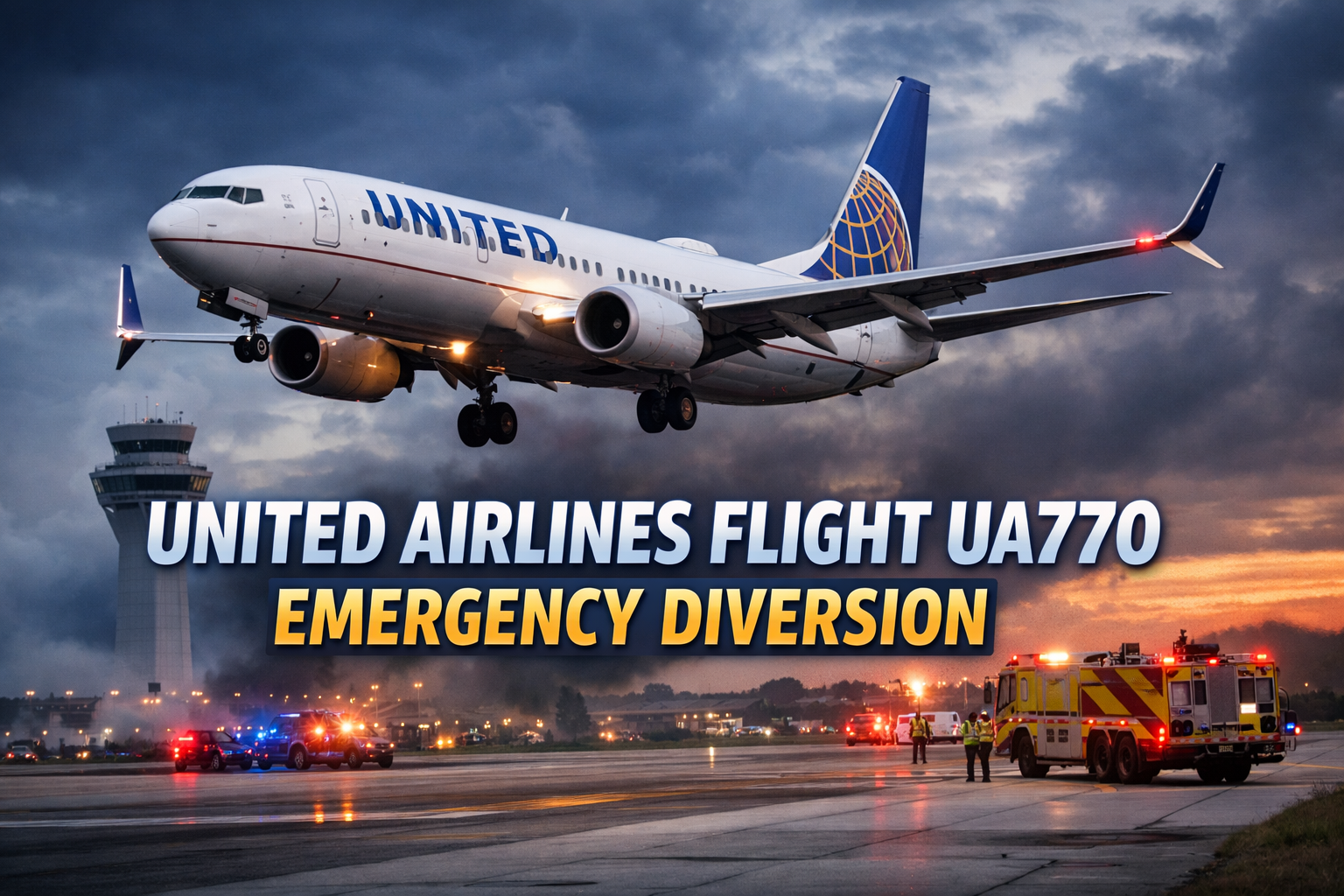
united airlines flight ua770 emergency diversion
United Airlines Flight UA770
In the world of air travel, emergency diversions are rare but serious events that capture global attention. United Airlines Flight UA770 is one such flight that made headlines due to its emergency diversion. This incident, involving a commercial flight from one of the world’s largest airlines, raised many questions and sparked discussions among travelers and aviation enthusiasts alike.
In this article, we will explore the details of the United Airlines Flight UA770 emergency diversion, understand why it happened, what the airline did to address the situation, and the impact it had on passengers. By the end, you’ll gain a clear understanding of emergency diversions and what passengers should do if they ever find themselves in a similar situation.
What is an Emergency Diversion in Aviation?
Before we dive into the specifics of United Airlines Flight UA770, it’s important to first understand what an emergency diversion in aviation is.
An emergency diversion occurs when a flight is forced to change its destination and land at a different airport due to unforeseen circumstances. These circumstances can include medical emergencies, mechanical failures, weather conditions, or other safety-related issues. Diversions are planned and executed quickly to ensure the safety and well-being of everyone on board.
Timeline of United Airlines Flight UA770’s Emergency Diversion
The incident involving United Airlines Flight UA770 began when the flight, scheduled to travel from Chicago O’Hare International Airport to San Francisco International Airport, experienced an unexpected issue mid-flight. The flight was diverted to an alternate airport for safety reasons.
While specific details about the diversion event continue to emerge, the timeline of events provides a clearer picture of what transpired. Upon noticing the issue, the flight crew immediately made the decision to initiate an emergency diversion, communicating with air traffic control for assistance in rerouting the flight to an alternative airport.
Reasons for the Emergency Diversion of UA770
The reasons behind the diversion of United Airlines Flight UA770 have been carefully reviewed. Typically, such diversions are due to safety concerns, and in this case, the airline cited technical issues as the primary cause. These issues could range from mechanical malfunctions to other on-board concerns that pose a threat to flight safety.
Mechanical failures are not uncommon in aviation, and airlines like United are well-prepared to handle such situations by ensuring the plane can land safely as soon as possible.
How United Airlines Handled the Diversion
The response of United Airlines during an emergency diversion is critical to ensuring passenger safety. As soon as the flight crew recognized the issue, the airline swiftly implemented its diversion protocol. This involves communicating with air traffic control, ensuring the plane lands at the nearest suitable airport, and managing passenger expectations.
During the diversion, United Airlines maintained constant communication with the passengers, providing updates and information about the alternate landing plans. The airline also arranged for immediate ground support, including medical assistance if necessary, and rebooked passengers for their original destination as soon as the emergency was resolved.

What Happens to Passengers During an Emergency Diversion?
For passengers aboard United Airlines Flight UA770, the diversion could have caused some confusion and stress. However, the well-being of passengers is the airline’s top priority during such events.
When a flight is diverted, passengers are usually informed about the situation, and ground services are ready to assist them as soon as the plane lands. In many cases, passengers are offered immediate medical support, food, and transportation arrangements to continue their journey.
The Impact of United Airlines Flight UA770’s Diversion on Passengers
United Airlines Flight UA770’s emergency diversion had a significant impact on the passengers. While the diversion was handled quickly, it caused delays, and many passengers experienced inconvenience due to the rerouting of the flight.
Some passengers reported feeling anxious about the situation, as diversions can be unsettling. Others were concerned about missed connections or the uncertainty of rebooking. However, United Airlines took steps to minimize the impact, ensuring that all passengers were accommodated promptly.
How United Airlines Ensures Passenger Safety During Diversions
United Airlines, like other major airlines, has established robust safety protocols to handle emergency diversions. These protocols are designed to ensure that the safety of passengers is never compromised. Airlines are required to train their staff extensively in managing high-stress situations, such as emergency diversions.
The Role of Air Traffic Control During an Emergency Diversion
Air traffic control plays a crucial role in any emergency diversion. Once United Airlines Flight UA770’s emergency situation was identified, air traffic control worked closely with the flight crew to coordinate the diversion to an alternate airport. Air traffic controllers are highly trained professionals who ensure that the diverted flight can land safely without affecting other air traffic.
Post-Diversion: What Happens After the Emergency?
After an emergency diversion, the situation doesn’t immediately end once the aircraft lands. United Airlines and its ground crew work to ensure that passengers are taken care of and that all issues related to the diversion are resolved. Passengers are often provided with food, refreshments, and transportation to their original destination or other accommodations.
Common Reasons for Flight Diversions
- Weather conditions: Poor visibility or severe weather conditions like thunderstorms or heavy snow can force a flight to divert to another airport.
- Medical emergencies: If a passenger or crew member experiences a medical emergency, the flight may be diverted to the nearest hospital-equipped airport.
- Mechanical issues: Any mechanical failure that could pose a risk to flight safety can lead to a diversion.
- Security threats: Security concerns, including threats or disturbances on board, can also result in diversions.
How Flight Diversions Affect the Airline Industry
Flight diversions, though rare, are an essential part of aviation safety. For airlines like United Airlines, it’s vital to maintain a high level of preparedness for such situations. Diversions can sometimes lead to negative customer experiences, but they are a reminder of the airline industry’s dedication to ensuring the safety of passengers.
What Can Passengers Do in Case of a Flight Diversion?
If you ever find yourself on a diverted flight, it’s important to stay calm and follow the crew’s instructions. The airline will guide you through the process and ensure your safety.
- Stay calm: Remember that diversions are handled with utmost safety and professionalism.
- Listen to announcements: Pay attention to the crew’s announcements and updates.
- Be prepared for delays: Understand that diversions can lead to delays, but the airline will do its best to rebook you.
Frequently Asked Questions (FAQs)
Conclusion
The United Airlines Flight UA770 emergency diversion is a reminder of the importance of safety in air travel. While diversions are inconvenient, they are a critical part of ensuring that passengers arrive at their destinations safely. United Airlines handled the situation with professionalism, and passengers can rest assured that such measures are in place to prioritize their safety above all else.
Remember, the next time you encounter an unexpected delay, it could very well be the result of careful planning and safety procedures designed to protect everyone on board.
About the Author