
thejavasea.me
Introduction
thejavasea.me is a web forum that many people visit for tech talk, downloads, and community posts. This guide explains the site in simple words. I will cover what you can find, who uses it, and how to stay safe there. The tone is friendly and clear. I write for readers who want facts without jargon. You will learn the basics, plus practical steps for checking content and protecting privacy. I also include helpful sources so you can learn more on your own. Read this guide if you want a balanced overview of thejavasea.me that focuses on trust, safety, and real examples.
What is thejavasea.me? A plain description
thejavasea.me is an online forum that calls itself a “Technology World.” Users post about gaming, Linux, networking, leaks, proxies, and web hosting. The site functions like many discussion boards: people start threads, reply, and share files or links. Some pages host reviews and tutorials. Because it mixes technical guides with user-shared files, thejavasea.me can be very useful for hobbyists and pros alike. At the same time, the open nature of forum posts means content quality and legality vary from thread to thread. Treat the site as a community space where you must check each post for accuracy and safety before acting on it.
A brief history and domain facts you can trust
You can check domain details for basic history. The domain thejavasea.me was created in 2022 and has seen updates since then. Public certificate and DNS records show it uses Cloudflare nameservers and holds valid TLS certificates at different times, which is normal for active sites. These technical signals help show the site is actively maintained, but they do not guarantee every post is safe or lawful. When assessing any site, combine domain facts with content checks and reputation signals from independent review services.
What kind of content appears on thejavasea.me
thejavasea.me hosts a wide mix of content: product reviews, tutorials on software and hardware, and user-shared resources. The site also has sections labeled “Leaks” and threads where users post collections or mirrored files. Some posts may link to third-party file hosts or storage services. Because users can upload or link to material, the nature of content varies widely—some are helpful guides, while others could be copyrighted or sensitive. Always treat downloads and links from forums with caution, and verify the source and licensing before using shared files.
The community: who uses thejavasea.me and why
Visitors to thejavasea.me include hobbyist coders, gamers, IT students, and people searching for specific files or tools. According to traffic tools, the site gets a mix of direct visits and search referrals, with audiences in several countries. Some users value the forum for niche advice and crowd-sourced troubleshooting. Others browse for shared resources or collections posted by community members. Because forums blend experts and newcomers, answers can be very practical but sometimes vary in quality. When using community answers, cross-check claims with official docs or reputable tutorials.
Traffic, reach, and what that tells us
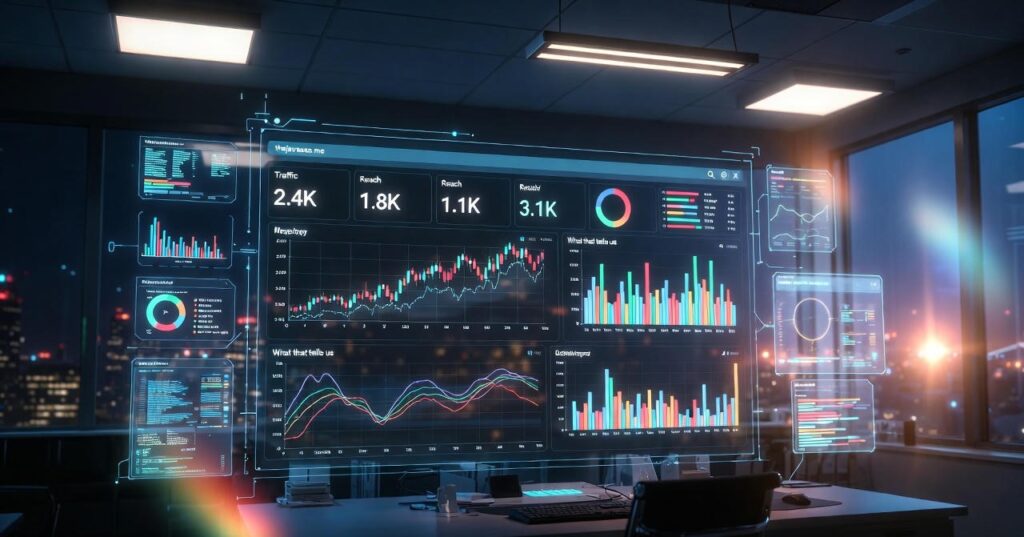
Web traffic data reports thejavasea.me receives notable monthly visitors and has audiences in the US, Egypt, Germany, and other countries. Tools that measure traffic can estimate visits, referral sources, and top search terms. These metrics show the site’s reach, and they can help researchers understand where interest comes from. But traffic numbers don’t measure trust or content quality. High traffic means the site is influential in some circles; it does not mean every post is accurate. For that reason, readers should combine traffic insights with direct content checks.
Security and privacy: known issues and how to respond
Because thejavasea.me hosts user files and threads about leaks, some posts can include sensitive or questionable material. Reports and articles have covered instances described as “leaks” linked to the site. If you find personal or private data, avoid sharing it and report it to admins or the proper authorities. For your own safety, never download unknown executables or open links from untrusted users. Use antivirus tools, a secure connection (VPN if needed), and separate test environments if you must examine unknown code or files. These steps help protect your device and privacy.
Legal and ethical considerations when browsing forum posts
Forums like thejavasea.me can sometimes host copyrighted or illegally shared material. Downloading or redistributing such material may carry legal risks depending on your country. Ethically, using leaked personal data or content that violates someone’s privacy is harmful. If a post looks illegal or abusive, report it to the site moderators and avoid interacting with the content. For research, rely on lawful sources and seek permission when working with private or sensitive material. This respectful approach keeps you on the right side of the law and community standards.
Moderation, takedown policies, and how the site responds
Moderation policies vary between forums. Some community boards rely on volunteer moderators, while others have stricter rules and faster takedowns. If you find harmful or illegal content on thejavasea.me, use the site’s report feature or contact their admin. Keep records—take screenshots and note thread links—so moderators can review. If moderation seems slow and the content is illegal, you can escalate to platform hosts, file-hosting services mentioned in posts, or legal authorities as appropriate. Clear communication and good evidence help resolve problems faster.
How to evaluate a thread: quick checks that work
When reading a post on thejavasea.me, run simple checks: look for credible sources in the post, check the poster’s reputation or join date, and scan replies for consensus. Verify technical claims against vendor docs or official manuals. For downloads, inspect file names and host links—avoid unknown executables and use sandboxed environments if you must test. Keep an eye out for red flags like sensational headlines, requests for payment for “leaked” content, or anonymous uploaders with no history. These habits help separate useful tips from risky or false claims.
Safer browsing: tools and habits to adopt
To browse thejavasea.me or similar forums safely, use these habits: keep your browser and OS updated, enable strong antivirus software, and prefer reputable file hosts over obscure links. Use a separate browser profile for risky sites and remove cookies regularly. Consider a virtual machine when testing unknown files. When downloading, scan files with multiple tools and never run unknown scripts as an administrator. For privacy, avoid sharing personal emails or accounts in public threads. These simple measures reduce your risk while letting you benefit from community knowledge.
Reputation: what review sites and watchdogs say
Independent reviewers offer mixed views on thejavasea.me. Some safety checkers give it a moderate trust score, while user review pages show limited feedback. Because forums are community-driven, reputation can shift quickly with new content or moderation changes. Use independent review tools and recent reports to spot trends. When a site hosts or links to content that others flag as problematic, treat its posts with extra caution. Combining live checks, domain facts, and third-party reviews gives the clearest picture of how trustworthy a site currently is.
Alternatives and related communities to consider
If you need safer or more official information, look to vendor docs, established tech blogs, or curated knowledge bases. For code and tutorials, platforms like GitHub, official docs, or Stack Exchange often provide vetted solutions. If you seek community discussion, many mainstream forums and subreddits have moderation and citation standards. When research requires downloads or sensitive material, prefer sources with clear licensing. Thejavasea.me can be one of many sources, but balance it with higher-trust sites for important work.
Monetization, ads, and how the site funds itself

Many forums fund operations through ads, donations, or membership perks. Thejavasea.me shows typical ad placements and may link to external file hosts that include sponsorships. Ads themselves can be safe, but malicious ad networks exist. Use an ad-blocker if you are concerned, and avoid clicking banner ads that seem suspicious. If you choose to support a forum, prefer transparent methods such as official memberships or verified donation links rather than third-party paywalls or questionable offers. This helps the community while protecting your payment details.
How researchers and journalists can use thejavasea.me responsibly
Researchers can find leads and raw data on forums, but ethical handling matters. Verify claims with primary sources and respect privacy and copyright. When data seems sensitive, consult legal or institutional review guides before quoting or publishing. Attribute findings carefully and avoid amplifying private leaks. For journalists, cross-check forum claims and seek confirmation from named sources or official statements. Responsible use of forum content helps preserve credibility and protects people affected by any leakage or misuse of information.
Personal insights: a practical checklist before you click
From use and research, a short checklist helps when visiting sites like thejavasea.me: (1) confirm the thread date and poster history, (2) check linked hosts before downloading, (3) scan files in a sandbox, (4) avoid sharing personal info, and (5) report illegal or harmful content. I follow these steps for any forum with user uploads. They slow you down slightly, but that small time investment avoids major headaches. Treat community posts as leads—not facts—until you verify them with independent sources.
Conclusion: a balanced view and final advice
Thejavasea.me is a lively forum for tech discussion, reviews, and community-shared files. It can be a helpful resource if used carefully. Because the site includes sections with leaked or user-posted files, you must take safety, legal, and ethical precautions. Rely on multiple sources, protect your devices, and report harmful content when you find it. If you use thejavasea.me, do so with the habits and checks described here. That approach keeps curiosity safe while letting you tap into a community full of knowledge and practical tips.
Frequently Asked Questions (6)
Q1 — Is thejavasea.me safe to visit?
Visiting thejavasea.me to read threads is generally similar to visiting other forums. Safety depends on your actions. Avoid clicking unknown file links or downloading executables from untrusted users. Use updated antivirus software and prefer official tutorials or vendor docs when possible. If you plan to interact, create a separate email and avoid sharing personal information. For high-risk downloads, use sandboxed environments or virtual machines. Treat the site as a mixed-content community: useful but requiring caution.
Q2 — Does thejavasea.me host illegal content?
The site has user-driven sections labeled for leaks and shared collections, and some posts have been described in media as leak-related. User uploads can sometimes touch on copyrighted or sensitive material. If you encounter clearly illegal content, do not download or share it, and report the post to the site admins or relevant authorities. Always follow the law in your country and the ethical guidelines of your organization or school.
Q3 — How do I verify technical advice on thejavasea.me?
Cross-check any technical steps or commands with official documentation from vendors or well-known manuals. For code or system changes, test in a non-production environment first. Look for poster reputation and corroborating replies in the thread. If multiple knowledgeable users confirm a method and it aligns with official guidance, it’s more trustworthy. If in doubt, ask for sources or consult an official forum or support channel.
Q4 — Can thejavasea.me be useful for research?
Yes, thejavasea.me can surface leads, user experiences, and niche tips that are hard to find elsewhere. Use it as a starting point, then verify everything with primary sources. For sensitive topics, get legal or ethical clearance before using or publishing forum-derived data. Treat the site as a community resource, but not as a primary authoritative source without verification.
Q5 — What should parents or teachers know about thejavasea.me?
Parents and teachers should know that the site mixes helpful tech content with user-shared files that may be inappropriate or risky for minors. Keep device protections on, discuss safe browsing rules, and encourage kids to show any suspicious links to an adult. Use parental controls for younger users and teach them not to download files from unknown sources. Open conversations about online safety reduce accidental exposure to harmful content.
Q6 — Where can I check the site’s trustworthiness quickly?
Check domain facts via WHOIS and DNS tools, look at traffic summaries from analytics sites, and read recent independent reviews. Watch for patterns like a lot of “leaks” posts or frequent links to third-party file hosts. If reviews and security checkers show mixed scores, act cautiously. Combining domain info with current forum activity gives a practical snapshot of trust and risk.
| Read More Informative Blogs Like This. Tap Here 👉 Buffalo Bills vs Colts Match Player Stats |
About the Author