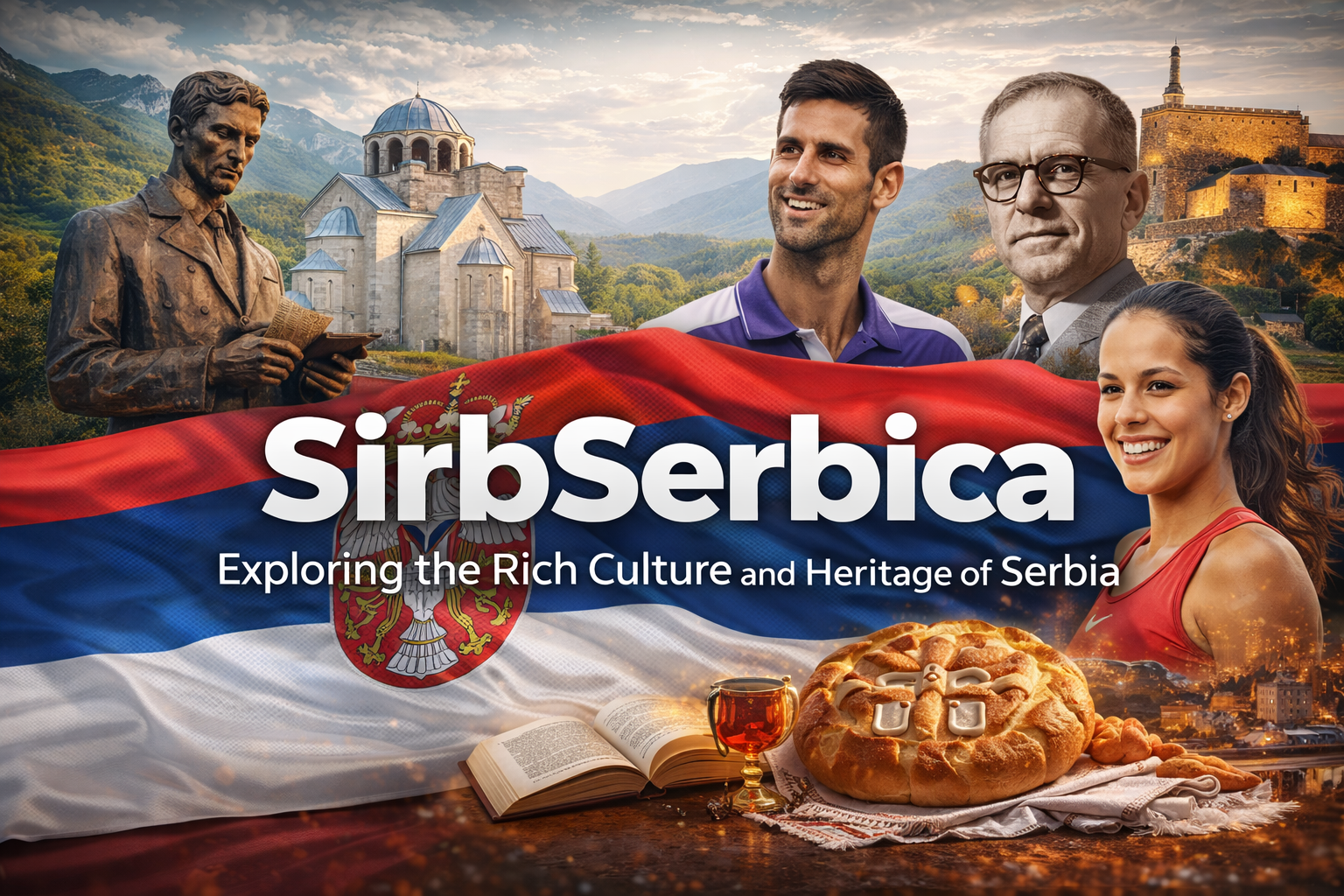
sirbserbica
Introduction: What is SirbSerbica?
Serbia, a country with a rich and diverse cultural heritage, is home to an intriguing concept known as SirbSerbica. Often associated with the deep-rooted traditions, history, and cultural movements of the country, SirbSerbica represents a fusion of elements that have shaped the identity of Serbia. This term is used to describe not just the Serbian way of life but also the influence of Serbian culture on the broader Balkan region and the world.
In this article, we will explore SirbSerbica, its historical significance, its impact on global culture, and how it continues to evolve in modern times. We’ll look into the language, traditions, art, and people of Serbia that make up the essence of SirbSerbica, providing you with a well-rounded understanding of its cultural importance.
The Roots of SirbSerbica: Understanding Serbia’s History
To truly grasp the meaning of SirbSerbica, we must first delve into the historical foundations of Serbia. This country, located in the heart of the Balkans, has a history that dates back thousands of years. From the early Slavic settlers to the rise of powerful empires, Serbia’s past is deeply intertwined with its national identity and the creation of SirbSerbica.
Serbia has witnessed numerous invasions and occupations, including the Byzantine Empire and the Ottoman Empire, but it has always maintained a distinct identity. These historical events have significantly contributed to the formation of SirbSerbica, shaping its culture, traditions, and even its language.
Key Historical Milestones in Serbia’s Past:
- The Rise of the First Serbian Kingdom: In the 12th century, Serbia gained independence from the Byzantine Empire, forming the first Serbian Kingdom under the reign of Stefan Nemanja.
- Ottoman Rule: For centuries, Serbia was under the control of the Ottoman Empire, influencing its culture and art.
- Modern-Day Serbia: After gaining independence in the 19th century, Serbia became a republic and is now a thriving nation with strong ties to its heritage.
Detailed Table: Key Features of SirbSerbica
| Feature | Description | Impact | Key Point |
|---|---|---|---|
| Language | Serbian, written in both Cyrillic and Latin scripts. | Preserves Serbia’s rich linguistic history and cultural identity. | Reflects Serbia’s dual influences and diverse heritage. |
| Traditions | Celebrations like Slava and Kolo (traditional dances). | Promotes national pride and community engagement. | Strengthens Serbia’s communal and spiritual bonds. |
| Art and Architecture | Serbian churches, monasteries, and art movements. | Showcases Serbia’s rich history and cultural diversity. | Celebrates both traditional and modern Serbian artistic expression. |
| Global Influence | Serbian contributions to music, sports, and science. | Promotes Serbia’s cultural identity globally. | Serbian athletes and artists are ambassadors of SirbSerbica. |
| Historical Landmarks | Sites like Studenica Monastery and Kalemegdan Fortress. | Represents Serbia’s rich historical and architectural heritage. | Preserves the physical remnants of Serbia’s past for future generations. |
Language: The Heartbeat of SirbSerbica
Language is a crucial aspect of SirbSerbica, as it holds the key to Serbia’s identity. Serbian, the official language, is a South Slavic language written in both Cyrillic and Latin scripts. The use of both alphabets signifies the cultural complexity and historical evolution of the country.
SirbSerbica encompasses the rich vocabulary, idiomatic expressions, and literature of Serbia. Serbian literature is known for its depth, with works dating back to the Middle Ages, including the famous writings of Vuk Karadžić, who standardized the Serbian language. The language also incorporates elements from Turkish, Greek, and other languages due to Serbia’s long history of foreign influence.
Traditions and Customs: A Glimpse into Serbian Culture
The traditions of SirbSerbica are deeply rooted in Serbia’s folklore, religion, and national celebrations. One of the most significant cultural practices in Serbia is the celebration of Slava, a religious feast that honors a family’s patron saint. This tradition is unique to Serbian Orthodox Christianity and represents a deep spiritual connection to Serbian heritage.
Other important customs include traditional Serbian dances like the kolo, vibrant folk music, and a love for local crafts such as pottery and embroidery. These cultural practices have been passed down through generations and continue to play a key role in Serbian society.
The Influence of SirbSerbica on Art and Architecture
Serbia’s artistic heritage is a reflection of SirbSerbica, showcasing a blend of Byzantine, Ottoman, and modern influences. Serbia is home to numerous historical churches, monasteries, and fortresses that tell the story of its past. Studenica Monastery, a UNESCO World Heritage site, is one of the most notable examples of medieval Serbian architecture, famous for its frescoes and design.
Serbian art also flourished during the 20th century, with artists such as Paja Jovanović gaining international recognition for their contributions to realism and other art movements. Today, Serbian artists continue to explore the intersection of traditional and modern styles, keeping SirbSerbica alive in the contemporary art scene.
Modern-Day SirbSerbica: Serbia’s Global Influence
In today’s world, SirbSerbica is not just confined to the borders of Serbia. The influence of Serbian culture extends to music, sports, and the diaspora. Serbian artists, musicians, and filmmakers have made significant contributions to the global cultural scene. For example, the internationally renowned musician Goran Bregović has brought Serbian folk music to a global audience.
Serbia’s sporting achievements, especially in basketball and tennis, also highlight the international reach of SirbSerbica. Novak Djokovic, a Serbian tennis player, is one of the most successful athletes in history, and his success has brought global attention to Serbian sports.
Famous Figures Who Represent SirbSerbica
Throughout history, numerous individuals have embodied the spirit of SirbSerbica, contributing to the country’s rich cultural landscape. Some of the most prominent figures include:
- Nikola Tesla: The famous inventor, electrical engineer, and physicist, though born in what is now Croatia, has Serbian roots and is often considered a national hero in Serbia.
- Ivo Andrić: A Serbian writer and Nobel laureate, Andrić’s works have explored the complex relationships and history of the Balkans.
- Ana Ivanović: A retired Serbian tennis player, Ivanović has brought international recognition to Serbia through her athletic achievements.
FAQs About SirbSerbica
1. What does SirbSerbica refer to?
SirbSerbica refers to the cultural, historical, and social identity of Serbia. It encompasses traditions, language, art, and the influence of Serbian heritage on the world.
2. What is the significance of Slava in Serbian culture?
Slava is a Serbian Orthodox Christian tradition that celebrates a family’s patron saint. It is a unique cultural practice in Serbia that signifies the deep connection between religion and national identity.
3. How has Serbia influenced global music?
Serbia has had a significant impact on global music, especially through its folk music, which has been popularized by artists like Goran Bregović.
4. What role does the Serbian language play in SirbSerbica?
The Serbian language, with its distinctive use of Cyrillic and Latin scripts, is central to SirbSerbica, as it preserves the country’s history, literature, and cultural identity.
5. How does Serbia contribute to sports globally?
Serbian athletes, especially in tennis and basketball, have achieved international success, with figures like Novak Djokovic becoming global icons.
6. What are the historical landmarks of Serbia?
Serbia boasts numerous historical landmarks, including Studenica Monastery and Kalemegdan Fortress, which showcase the country’s rich cultural and architectural history.
Conclusion: Embracing the Legacy of SirbSerbica
SirbSerbica is a powerful symbol of Serbia’s cultural identity, rich history, and global impact. From its deep-rooted traditions and language to its modern-day achievements in art, music, and sports, SirbSerbica represents the spirit of a nation that continues to thrive and evolve. As Serbia continues to make waves on the global stage, the essence of SirbSerbica will remain a defining force for generations to come.
About the Author