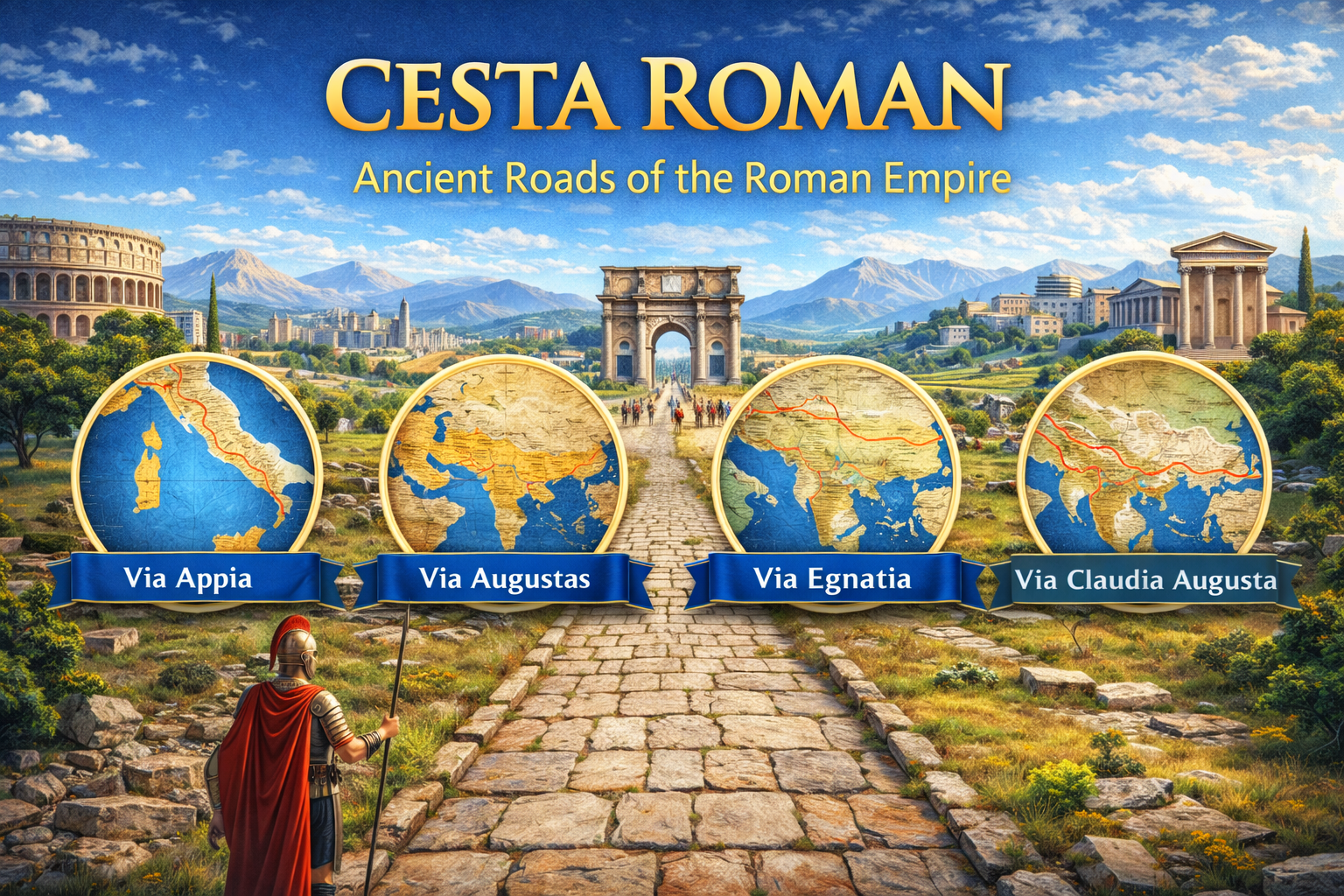
cesta roman
The Fascinating History, Routes, and Legacy of the Ancient Roman Roads
In the history of human civilization, few engineering feats stand as tall as the Cesta Roman roads. These roads, built by the Romans over two millennia ago, revolutionized transportation and played a pivotal role in shaping the world we know today. The term “Cesta Roman” refers to the ancient network of Roman roads that spanned across Europe, connecting the vast expanse of the Roman Empire.

These roads not only facilitated military conquests and trade but also helped spread culture, language, and ideas. This article delves into the significance of the Cesta Roman roads, exploring their history, key routes, and the lasting impact they have had on modern infrastructure.
The History of the Cesta Roman Roads
The Cesta Roman roads were built between the 3rd century BC and the 2nd century AD, during the height of the Roman Empire. These roads were a testament to Roman ingenuity and organizational skill. With a focus on military efficiency and trade, the Romans constructed an extensive network of roads that stretched from the heart of Italy to the far reaches of modern-day England, Spain, Turkey, and North Africa.
Roman Engineering Mastery
Roman engineers were meticulous in their planning and execution of road construction. The roads were built to last, using layers of materials that included stone, gravel, and sand. The roads were designed with a slight curvature to ensure proper drainage, preventing water from collecting and causing damage. This careful attention to detail made Roman roads some of the most durable in history.

Purpose of the Roads
The primary purpose of the Cesta Roman roads was to support the Roman military. Fast and efficient movement of troops was critical to maintaining control over such a vast empire. These roads allowed soldiers to travel quickly, ensuring that Roman legions could be deployed wherever they were needed. However, the roads also facilitated trade, communication, and cultural exchange across the empire.
Key Routes of the Cesta Roman
The Cesta Roman roads spanned vast distances, connecting major cities and military outposts across the empire. Here are some of the most famous and important Roman road routes:
1. Via Appia (The Appian Way): Connected Rome to southern Italy, extending to Brindisi. Crucial for military operations.
2. Via Augusta: Significant road in Roman Spain, stretching from the Pyrenees to the Mediterranean coast.
3. Via Egnatia: Connected the Adriatic Sea to the Aegean Sea, traversing modern-day Albania, Greece, and Turkey.
4. Via Claudia Augusta: Connected the Po River in Italy to the Danube River in modern-day Austria and Germany.
The Legacy of Cesta Roman: Impact on Modern Infrastructure
The influence of these ancient roads can be seen in many aspects of contemporary infrastructure. The Roman approach to road construction, particularly their use of durable materials and attention to drainage, set the standards for modern highway systems. Many modern roads, especially in Europe, follow the routes of ancient Roman roads.
| Roman Road | Route | Region | Significance |
|---|---|---|---|
| Via Appia | Rome to Brindisi | Italy | Oldest road; military and trade importance. |
| Via Augusta | Pyrenees to Mediterranean | Spain, France | Crucial trade route in Roman Spain. |
| Via Egnatia | Adriatic to Aegean Sea | Balkans, Turkey | Key road for eastern Roman provinces. |
| Via Claudia Augusta | Po River to Danube River | Italy, Austria, Germany | Trade between Italy and northern provinces. |
Importance in Military Strategy
The ability to move large numbers of soldiers quickly allowed Rome to maintain control over its vast territories. Couriers could travel quickly between regions, ensuring that military orders were received and acted upon without delay. This efficient communication was a cornerstone of Roman tactical superiority.
Frequently Asked Questions (FAQs)
Cesta Roman refers to the ancient Roman road network that stretched across Europe, facilitating military, trade, and cultural connections within the Roman Empire.
They were essential for the rapid movement of troops, trade, and communication. They played a major role in the empire’s expansion and stability.
Yes, many are still in use, either as foundations for modern highways or as historical sites for tourists and walkers.
Using multiple layers of stone, gravel, and sand with a curved surface for drainage made them resistant to wear for centuries.
Conclusion: The Enduring Legacy
The Cesta Roman roads are not just a feat of ancient engineering; they are a lasting legacy of the Roman Empire’s influence on the world. These roads paved the way for modern infrastructure, trade, and cultural exchange. As we continue to drive along these ancient paths, we are reminded of the ingenuity and foresight that allowed the Romans to build an empire that spanned continents and centuries.
You may also like to read About: RWU UAR: Unleashing the PotentialAbout the Author
